

- This event has passed.
2026 Western Chapter Annual Meeting
February 26 All day
Register now for the 2026 Western Chapter Annual Meeting! This program will take place in Phoenix, AZ on February 26, and will feature networking opportunities and sessions on timely, regional topics.
Find panel descriptions and a special event opportunity below!
Wednesday, February 25: Palo Verde Generating Facility Tour
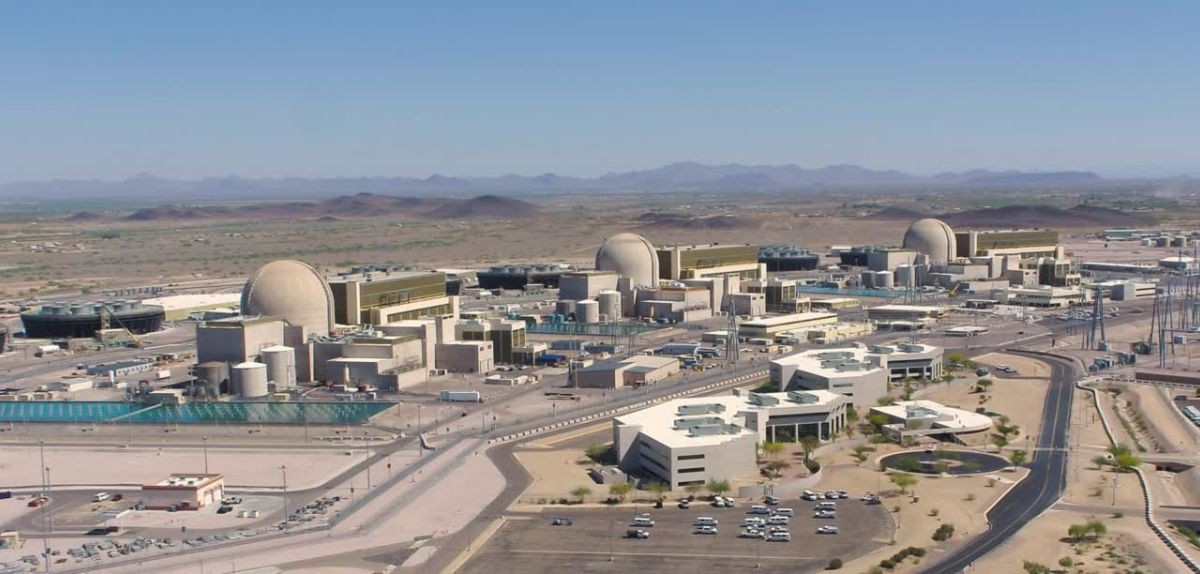
We are excited to offer an optional tour of Palo Verde Generating Station to our Western Chapter Annual Meeting Attendees. You may purchase a ticket ($50) when registering for the Annual Meeting, but you must be registered to attend the Annual Meeting in order to participate in the tour.
Space is limited, so register early! If your plans change and you cannot attend the tour, we are unable to refund your tour fee.
Itinerary:
- 10:00 AM – Bus arrives at Renaissance Phoenix, 100 N 1st Street
- 10:15 AM – Bus Departs for Palo Verde
- 11:15-11:30 AM – Arrival at Palo Verde Generating Station
- 11:30 AM – 2:30 PM – Lunch and tour of the facility. Lunch will be provided
- 2:30 PM – Depart Palo Verde for Phoenix
- 3:30/3:45 PM – Arrival Renaissance Hotel
Wednesday, February 25: Welcome Reception
Attendees are invited to join us between 5:00 – 7:00 PM for a welcome reception with students from the Environmental Law Society at ASU Law. RSVP is required and can be done when registering for the conference.
Thursday, February 26: Annual Meeting
9:00 – 9:10 – Welcome and opening remarks
9:10 – 9:40 – Keynote Remarks

Vice Chair
Arizona Corporation Commission
9:45 – 10:45 – Energy, Administrative Law, and Appeals: How the U.S. Supreme Court’s Recent Decisions Have Affected Energy Law Practices
Recent U.S. Supreme Court cases such as Auer, Loper Bright, Jarkesy, and Slaughter have altered the administrative law landscape for energy law practitioners. With the applicability of those rulings now making their way through the lower courts, that jurisprudence is being applied for the first time, and in some cases, inconsistently. Learn from a panel that has argued before the U.S. Supreme Court, the D.C. Circuit, the 9th Circuit, and others what to expect for your energy practices as federal administrative law continues to change and evolve.

Partner, Energy and Climate Solutions
Wilson Sonsini Goodrich & Rosati
Shareholder
Greenberg Traurig LLP

Partner
Snell & Wilmer LLP
(Moderator)
10:45 – 11:15 – Networking Break
11:15 – 12:30 – Integrating Emerging Energy Technologies in the West
This panel will explore the legal and regulatory challenges facing the development of emerging decarbonization resources including hydrogen, pumped hydro, renewable natural gas, and fuel cell technologies. Our panel of experts will also discuss how state and federal policies can help accelerate deployment of resources while ensuring reliability, sustainability, and community engagement.
Vice President, Environmental and Regulatory Law
Bloom Energy

Managing Counsel, Law Gas and Electric Operations
Pacific Gas and Electric Company
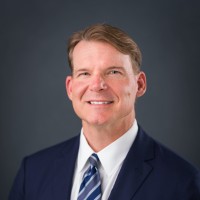
Director Water and Natural Resources Law
Salt River Project
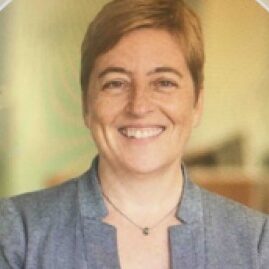
General Counsel and VP of Corporate Services
Western Power Pool
(Moderator)
12:30 – 1:45 – Lunch
1:45 – 2:45 – Powering Sovereignty: Tribal Energy Opportunities in the West
Tribal Nations across the West are increasingly asserting leadership in energy development—seeking projects that advance economic sovereignty and energy independence. At the same time, developers and transmission owners are recognizing that Tribal lands present unique opportunities for building generation and storage projects, as well as for siting transmission corridors, driven by strong resource potential, new federal support, and evolving regional grid needs. This panel will discuss federal Indian law and the legal, policy, and practical challenges to tribal energy development and explore solutions to facilitate successful project development.

Chief Legal Counsel
Navajo Nation Office of the President and Vice-President
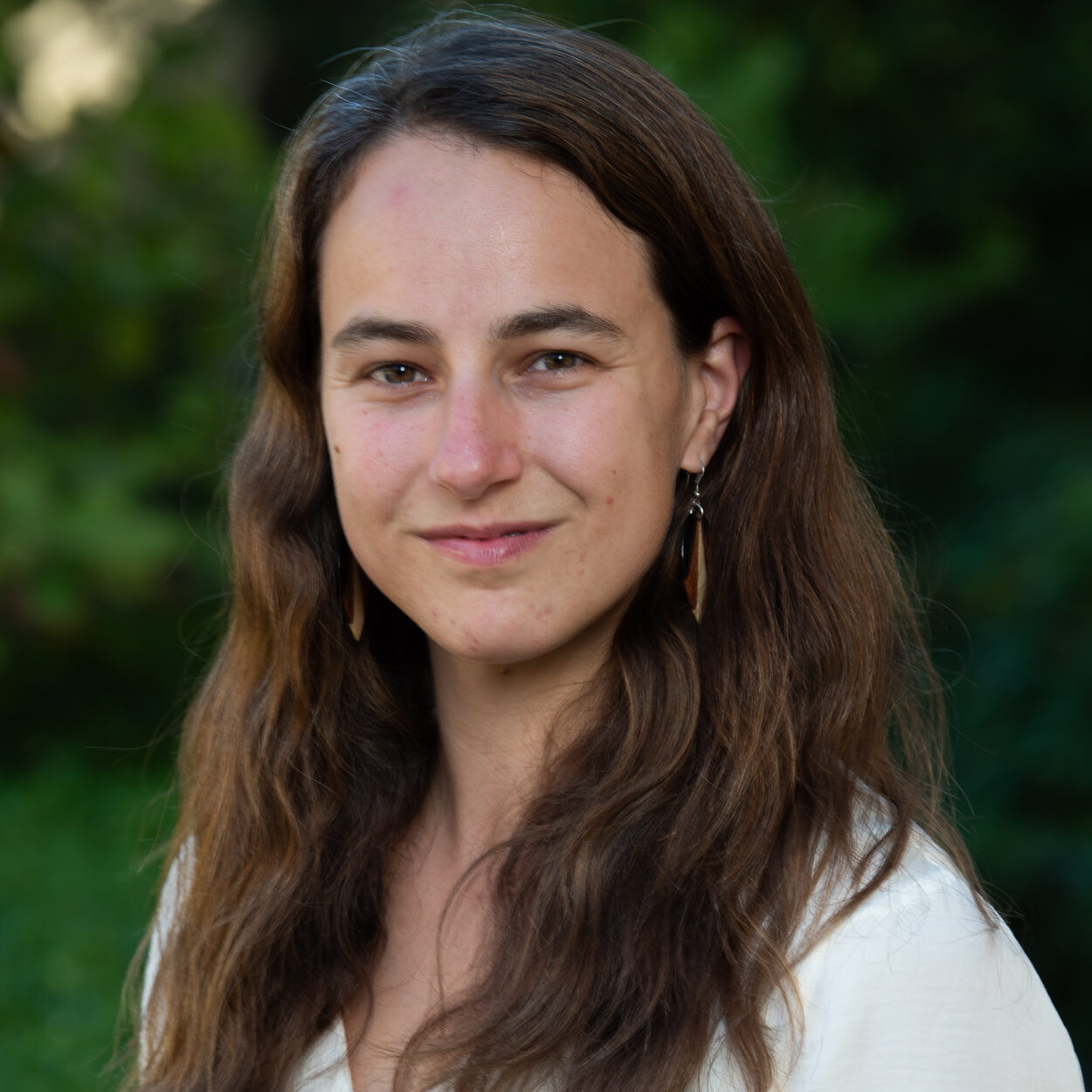
Tribal Affairs Research and Policy Manager
California Energy Commission, Stanford Precourt Institute for Energy
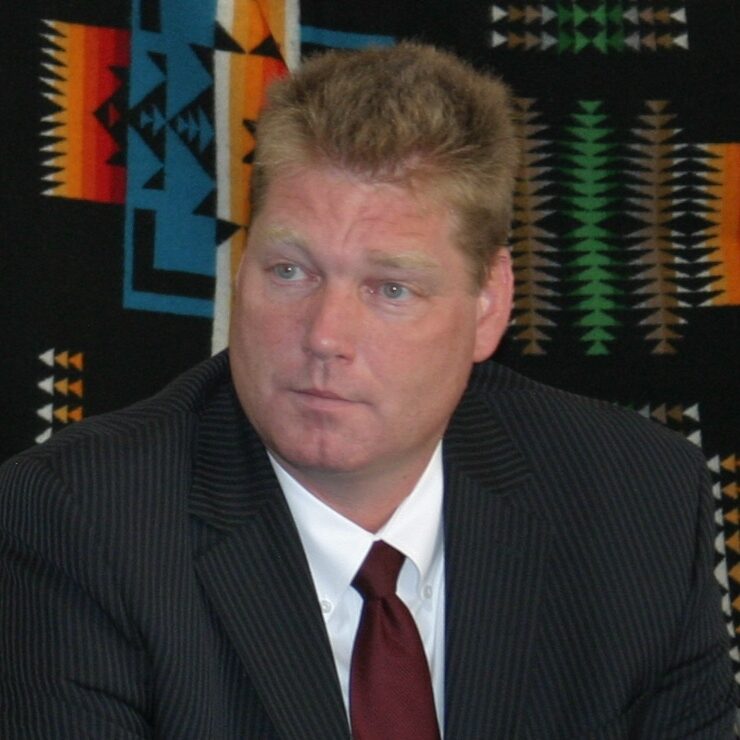
General Manager
Navajo Tribal Utility Authority
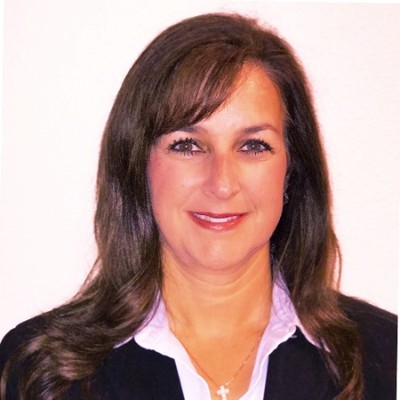
Attorney
Law Offices of Susie Berlin
(Moderator)
2:45 – 3:00 – Break
3:00 – 4:00 – Strength in Regulation and Policy Coordination Strategies: Gas and Electricity Working Together
This panel will explore the essential regulatory and policy relationships and conflicts between the gas and electric sectors, address natural gas and electric system challenges, and emphasize the need for close regulatory coordination to maintain energy reliability.

Director of Gas Control & System Planning
Southern California Gas Company
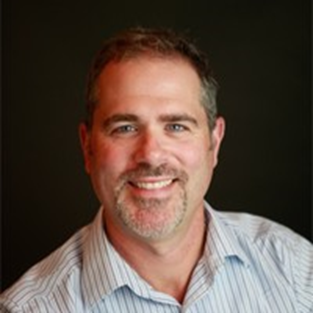
Director of Energy Resources
Avista Corporation
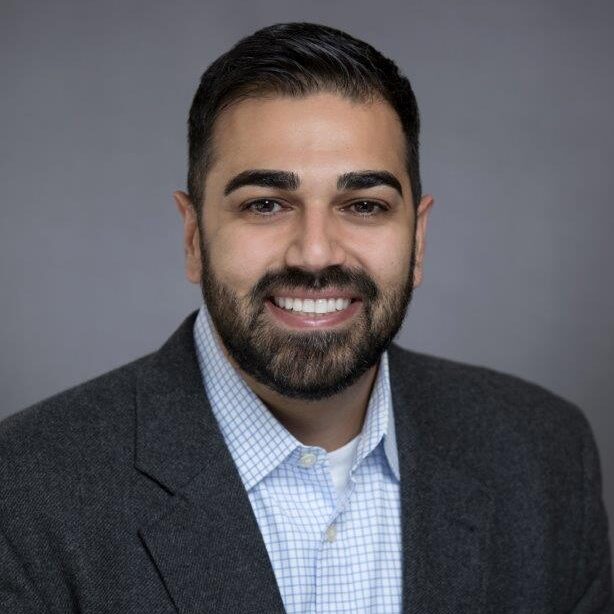
Commercial Services Manager
Williams

Executive Director
Pacific Northwest Utilities Conference Committee (PNUCC)
(Moderator)


Accommodations
EBA’s Hotel room block is now closed. Please see a list of nearby hotels.
Registration Information
| Registration Rates | Advanced ends Feb 13 (Members) | Regular (Members) | Nonmember |
| Attorney/Energy Professional | $350 | $395 | $450 |
| Gov’t/Academic Rate | $175 | $200 | $250 |
| In House Counsel/Solo or small firm attorney | $250 | $275 | $325 |
| Student | $25 | $50 | $75 |
CLE:
This program will be eligible for 4.3 hours of CLE credit in 60-minute states and 5.2 hours of CLE credit in 50-minute states. Credit hours are estimated and are subject to each state’s approval and credit rounding rules.
To Receive CLE Credit:
If you have met the participation requirements, you will receive a personalized CLE affidavit from mcle-eba@americanbar.org for the program at which you attended at least one session to completion. Please check your spam or junk folders as these emails often end up there. Please note you will fill out one affidavit for the full event. Once you complete the affidavit, you will be able to download your certificate(s) of attendance and they will be emailed to you as well from mcle-eba@americanbar.org.
Scholarships:
EBA offers eligible student, government, and academic members discounts on the rates for most EBA programs which carry CLE credits, including EBA’s Annual and Mid-Year Meetings. EBA will, on a case-by-case basis, consider requests from members to attend EBA programs at a discounted rate. Discount requests must be made to EBA’s office at least fifteen days prior to the close of regular registration for the program in question. Requests will be considered by EBA if timely and complete. Discount requests must demonstrate a substantial financial hardship. Please submit your requests to jhannan@eba-net.org.