



The Energy Bar Association Conference and Annual meeting is EBA's premier energy law and public policy conference. Join hundreds of energy industry attorneys, regulators from the Department of Energy and other agencies, in-house energy attorneys, consultants and others. The conference offers two days of thought-provoking CLE programming and multiple networking opportunities. See the full conference agenda below. Note: Speakers and sessions will be continuously updated and edited leading up to the conference.
Theme: Meeting the Moment: Reliability, Regulation, and Risk
Tuesday, April 14
8:00 AM - 9:00 AM: Registration and Buffet Breakfast
9:00 AM - 10:25 AM: Honorable Kevin J. McIntyre - General Session: Outside 888: Who Else Shapes Energy Policy in 2026?
Rapid growth in U.S. energy demand is reshaping policy, drawing unprecedented attention from federal agencies, legislators, the White House, and state commissions. Affordability, resource adequacy, and reliability are prompting new collaborations, overlapping mandates, and occasional jurisdictional tensions. This panel features non-FERC policy leaders and regulators addressing these challenges. The discussion will cover intra federal and federal–state dynamics, resource adequacy, permitting, and infrastructure modernization. Panelists will assess interactions with FERC policies, stakeholder engagement, and energy governance. Attendees will gain insight into the complex, demand-driven forces transforming the energy policy landscape in 2026 and beyond.
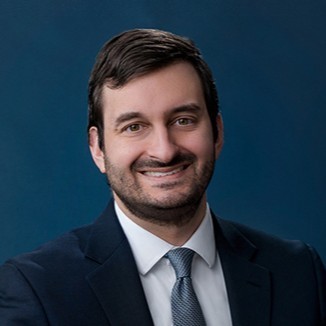
Michael E. Kellermann
Detailee, Committee on Energy and Natural Resources, Ranking Member Martin Heinrich
United States Senate
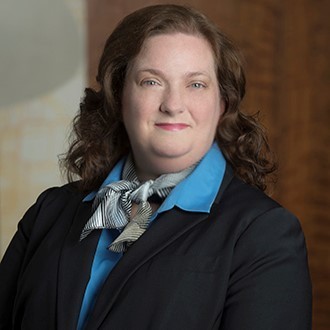
Rebecca Michael
Chief of Staff, Office of the Deputy Secretary
U.S. Department of Energy
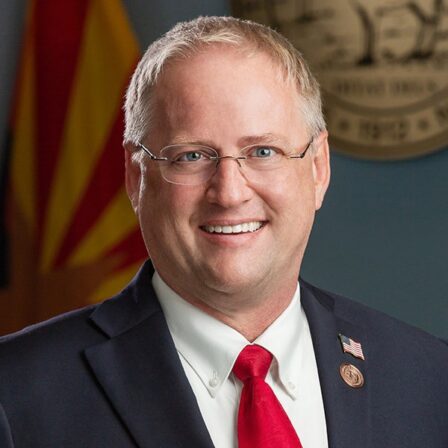
Hon. Nick Myers
Chairman
Arizona Corporation Commission
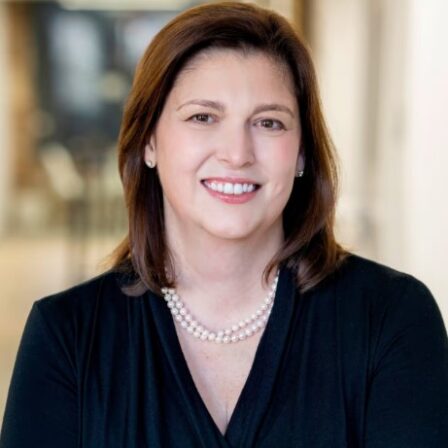
Kellie Donnelly
Executive Vice President &
General Counsel
LotSixteen
(Moderator)
10:50 AM - 12:00 PM: Concurrent Sessions
Concurrent 1A: Navigating Congressional Investigations: What Energy Companies Need to Know
This session will explore legal and strategic issues in connection with Congressional investigations into energy company practices and activities. This includes an introduction to, and high-level analysis of, the rules governing Congressional investigations, distinguishing Congressional investigations from enforcement proceedings, an overview of Congressional Committees with relevant jurisdiction, presentation of select case studies, and discussion of the “Court of Public Opinion” and the importance of reputation management.
**Please note that this session will not be recorded and is not open to the press**
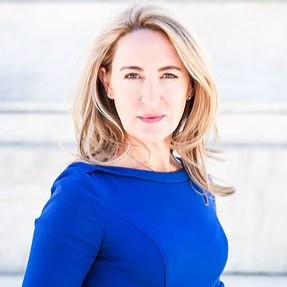
Machalagh Carr
Founder & CEO
Quell Strategies
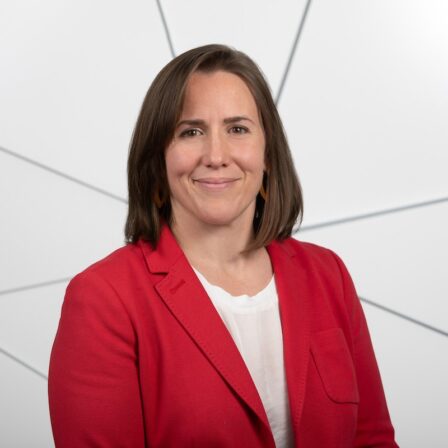
Jessica L. Donlon
General Counsel, Majority Staff
U.S. House of Representatives Committee on Energy and Commerce
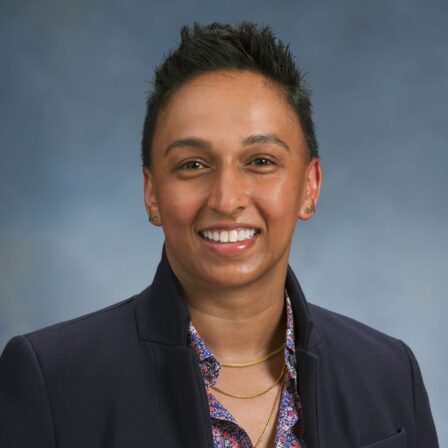
Arya Hariharan
Chief Counsel for Oversight
U.S. Senate Committee on the Judiciary, Office of Ranking Member Dick Durbin
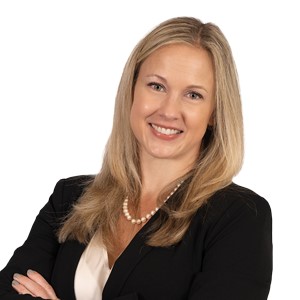
Kristina M. Moore
Partner
Womble Bond Dickinson
(Moderator)
Concurrent 1B: Unleashing Energy Infrastructure: Natural Gas and Oil Permitting Policy and Reform
The current administration has highlighted development of natural gas and oil infrastructure as an energy policy priority. Nevertheless, energy infrastructure development in the United States is increasingly constrained by an approval system at a time when oil and gas transportation has become an economic imperative driven by evolving market demands and technological change. Layered, duplicative, and often unpredictable federal and state permitting requirements can delay projects for years, exposing developers to legal risk and regulatory uncertainty.
This panel will examine how the current permitting framework has become a bottleneck for critical energy infrastructure and explore targeted reforms that can restore efficiency without compromising environmental protections or public participation. Panelists will discuss recent developments in the federal approval process for natural gas pipeline and LNG projects, legislative developments, environmental review and water permitting, including how these processes intersect with emerging pressures such as AI-driven natural gas demand and regional fuel supply constraints.
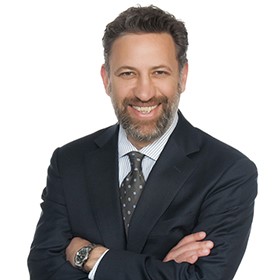
Kyle W. Danish
Co-Chair, Partner
Van Ness Feldman LLP
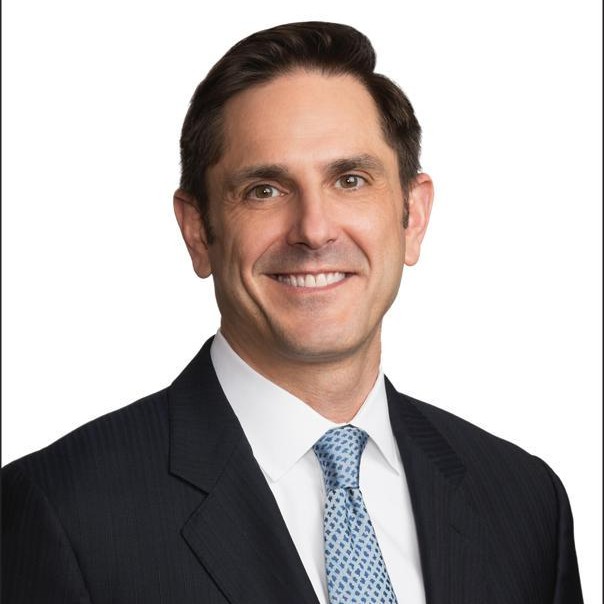
Brett A. Snyder
Partner
Blank Rome LLP
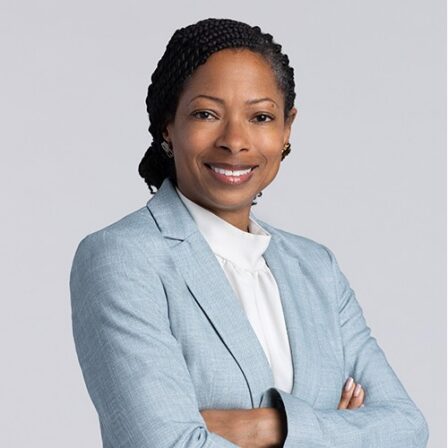
Vanessa Allen Sutherland
Executive Vice President, Government Affairs, General Counsel and Corporate Secretary
Phillips 66
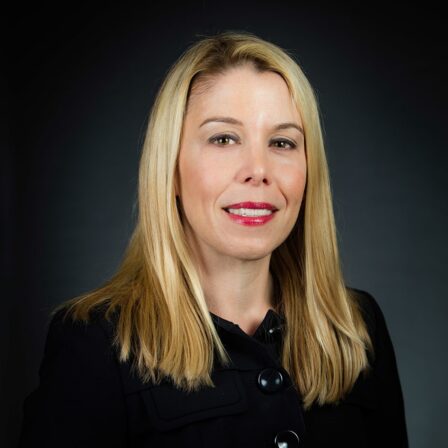
Elizabeth A. Zembruski
Partner
John & Hengerer LLP
(Moderator)
12:05 PM - 2:00 PM: Luncheon with Keynote by Jonathan Brightbill
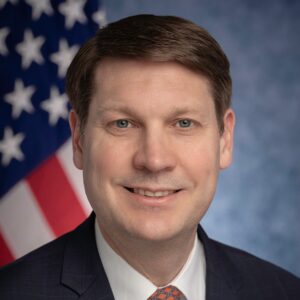
General Counsel
2:15 PM - 3:25 PM: Concurrent Sessions
Concurrent 2A - Energy Enforcement Priorities in 2026
This session will dive deep into the enforcement priorities on which new leadership at FERC and the current Administration will likely focus. In particular, we will focus on a range of issues, including how FERC may address the impacts of Jarkesy on its enforcement program, the recent certiorari grant by the Supreme Court on two appeals concerning the impact of Jarkesy on the FCC’s in-house penalty authority, and possible new areas or recipients of scrutiny (including allegations of “greenwashing” by purchasers of Renewable Energy Credits).
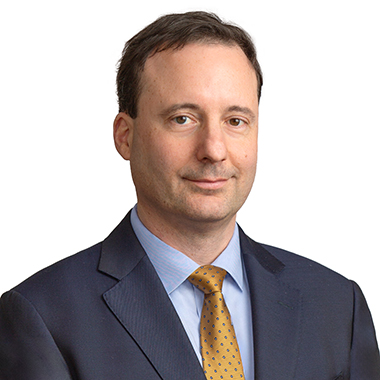
David A. Applebaum
Partner
Baker Botts LLP
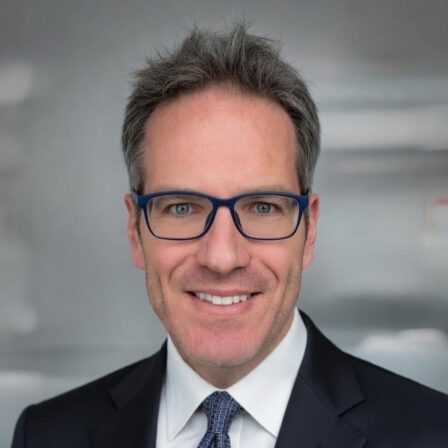
Daniel T. Lloyd
Senior Counsel
FirstEnergy Corp.
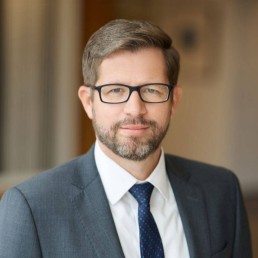
William R. Barksdale
Partner
Jenner & Block LLP
(Moderator)
Concurrent 2B – Cross Border: A Conversation about Connections and Collaboration
American and Canadian power systems are closely integrated, assisting with balancing, reliability and operability. But these benefits are not without challenges stemming from misalignments of planning cycles and benefits, among other things. This panel, with east, central and western North American perspectives, will explore how systems work across this border, the tools and strategies that companies, system operators and planners are using to maximize opportunities, as well as lessons from other jurisdictions. These expert panelists will showcase how stakeholders are working together despite regional differences, and demonstrate the benefits and the opportunities of learning from other another.
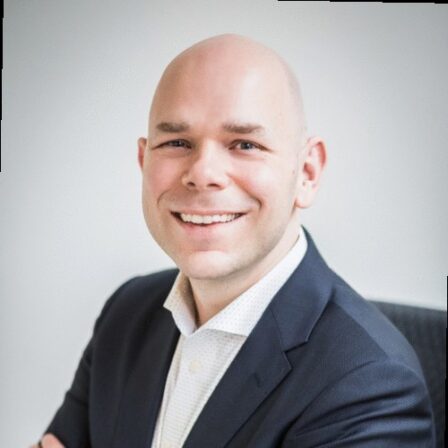
Frank Durnford
Executive Director, Market Policy
Powerex
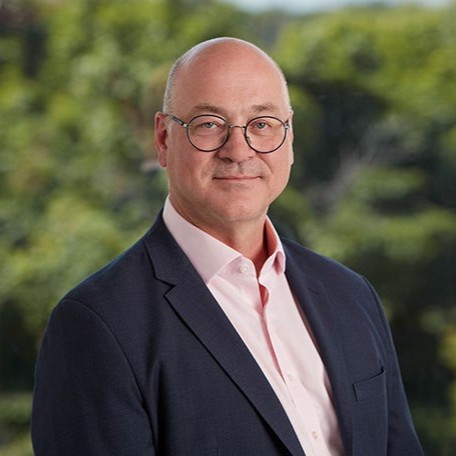
Chuck Farmer
Executive Vice-President of Power System Development
Independent Electricity System Operator (Ontario)
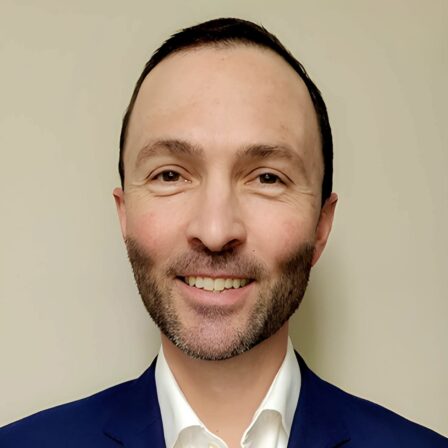
Peter Shattuck
Director
Power Advisory
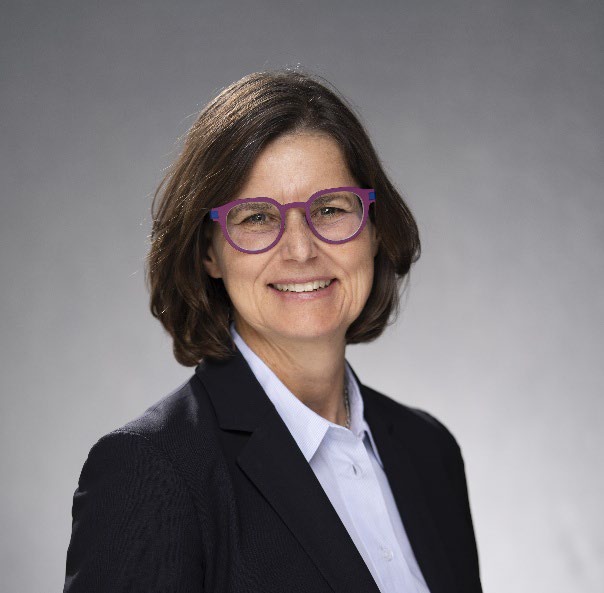
Carolyn Calwell
Chief Executive Officer
Ontario Energy Board
(Moderator)
3:50 PM - 5:00 PM: Concurrent Sessions
Concurrent 3A – Records, Schmecords? The Compliance and Business Risks of Neglecting Records Requirements Throughout the Energy Regulatory Landscape
This session will explore the multitude of records requirements permeating various aspects of the highly regulated energy markets. In particular, we will survey some of the key requirements — both federal and state — in the electric, natural gas, and oil industries; detail the serious consequences of noncompliance; and provide examples of best practices to ensure appropriate attention to this emerging enforcement priority area.

Vivian W. Chum
Shareholder
Wright & Talisman PC

Kristen Fleet
Director of Division of Audits and Accounting, Office of Enforcement and Regulatory Accounting
Federal Energy Regulatory Commission (FERC)
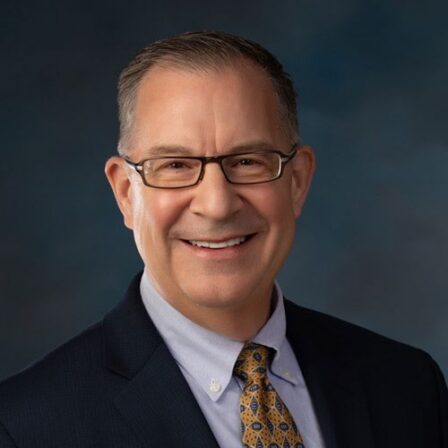
Mark Kempic
President and Chief Operating Officer
Columbia Gas of Pennsylvania and Maryland
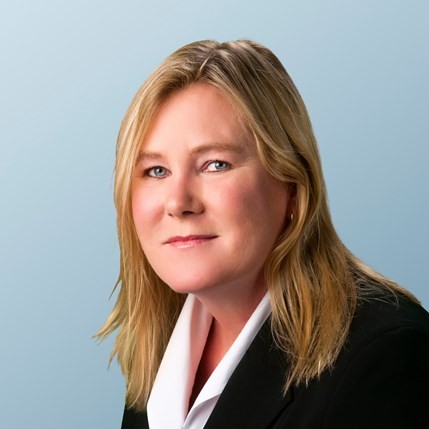
Patricia M. French
Former FERC Administrative Law Judge
(Moderator)
Concurrent 3B – Searching for Stability in the Rising Tide: Grid Solutions for Large Load Integration
As load growth surges nationwide system operators and utilities are under increasing pressure to maintain reliability, ensure safety, and modernize interconnection processes. In this session, panelists will discuss how their organizations are navigating this rising tide—examining emerging reliability risks, evolving planning and operational practices, and innovative solutions for integrating high demand loads. Panelists will share how they are diving into the technical, regulatory, and coordination considerations shaping their approaches, offering an inside look at the tools needed to support resilient, timely, and secure large load integration.

Patrick J. Arness
Federal Affairs Policy Advisor
Dominion Energy Services
Lucas Fykes
Senior Director, Energy Policy & Regulatory Counsel
Data Center Coalition
Soo Jin Kim
Vice President of Engineering, Standards, and PRISM
North American Electric Reliability Corporation

David Luke (DL) Oates
Executive Director, Markets and Grid Research
Midcontinent Independent System Operator

Aniruddh Mohan
Energy Associate
The Brattle Group
(Moderator)
Wednesday, April 15
8:00 AM - 9:00 AM: Registration and Buffet Breakfast
9:00 AM - 9:30 AM: Keynote Remarks with FERC Chairman Laura V. Swett
Hon. Laura V. Swett
Chairman
Federal Energy Regulatory Commission
9:30 AM - 10:55 AM: General Session 2 - State PUC Commissioners
Hon. Kelsey Bagot
Chair
Virginia State Corporation Commission
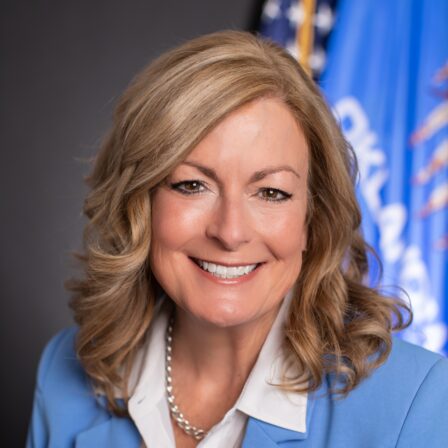
Hon. Kim David
Chair
Oklahoma Corporation Commission
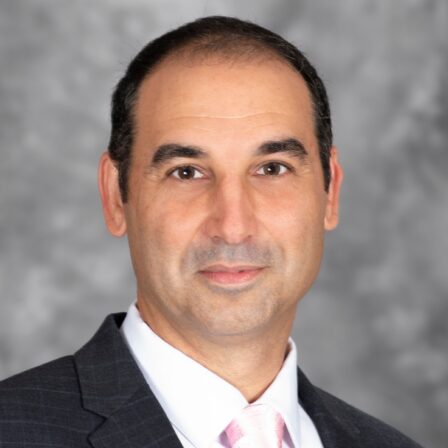
Hon. Mike La Rosa
Commissioner
Florida Public Service Commission
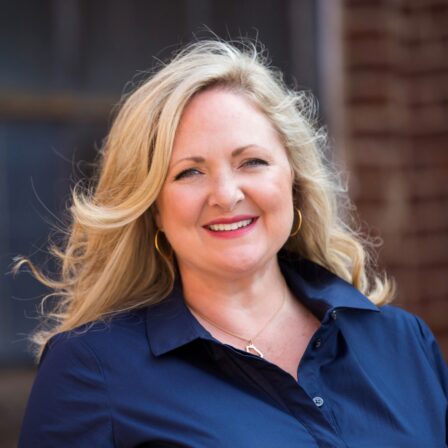
Hon. Tricia Pridemore
Chair
Georgia Public Service Commission
(Moderator)
10:55 AM - 11:20 AM: Networking Break
11:20 AM - 12:30 PM: Concurrent Sessions
Concurrent 4A - Insights from the NPC Gas-Electric Coordination Study
A session to highlight key recommendations from the National Petroleum Council’s forthcoming Gas-Electric Coordination Study, commissioned by the U.S. Secretary of Energy. The study examines how natural gas and electric reliability are jointly shaped by infrastructure adequacy, market design, and governance—and where jurisdictional boundaries between FERC, NERC, and state regulators complicate coordinated reliability oversight. Attendees will gain insights into the NPC's recommendations to improve cross-sector planning, commercial alignment, and accountability across federal and state frameworks. Discussion will emphasize the legal, commercial and institutional interplay that drives (or hinders) effective natural gas delivery.

Brett Kruse
Vice President, Market Design
Calpine
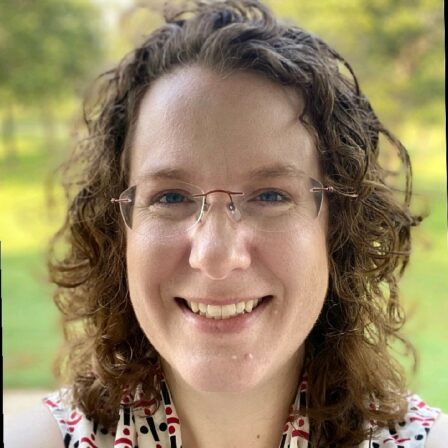
Erin Potter Sullenger
Senior Counsel, Environmental Health and Safety
Williams
Kenneth W. Yagelski
Director Gas Supply and Gas Control
Southern Gas Company
Dr. Margo E. Regier
Program Manager, Energy Advisory Studies
National Petroleum Council
(Moderator)
Concurrent 4B - Sailing without a Compass: Offshore Critical Minerals Development in the U.S.
The deep sea floor holds promising quantities of critical minerals, like cobalt, nickel, and manganese, that have been identified as essential for the energy industry. But many questions remain about how best to move forward with deep sea mining, including what regulatory standards apply and whether those standards are adequate to address the potential environmental impacts. The panel will explore the current state of U.S. involvement in deep sea critical minerals exploration in both U.S.-jurisdiction and extraterritorial waters.
Edward Boling
Partner
Perkins Coie LLP
Rebecca Loomis
Staff Attorney
Natural Resources Defense Council
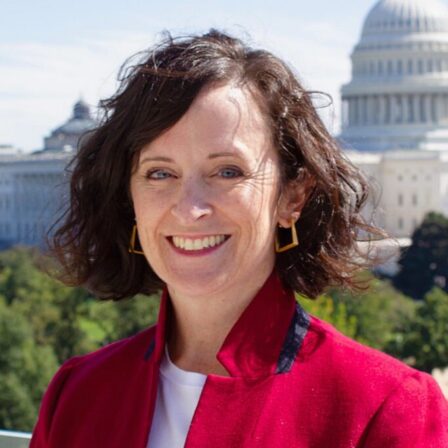
Elizabeth Klein
Director of Domestic Policy Programs
PennWashington
(Moderator)
12:30 PM - 2:00 PM: Lunch and 2026 EBA Annual Meeting
2:00 PM - 3:10 PM: Concurrent Sessions
Concurrent 5A - Capacity Markets at a Crossroads? Will Rising Capacity Market Prices Drive New Capacity Resource Investment?
With tightening electric system reserve margins, changing generation resource mixtures, an aging transmission system, unparalleled data center load additions and the ongoing need for investment new capacity, resource investment may be one answer to the equation. This panel will explore how each of these factors impact electric system reliability, reserve margins, capacity prices, and the opportunities for new investment.

Prabir Purohit
Senior Vice President–Strategy and Segment Planning (Commercial)
Dominion Energy
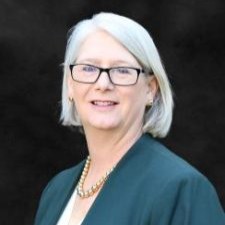
Ann E. Rendahl
President
National Association of Regulatory Utility Commissioners
Commissioner
Washington Utilities & Transportation Commission
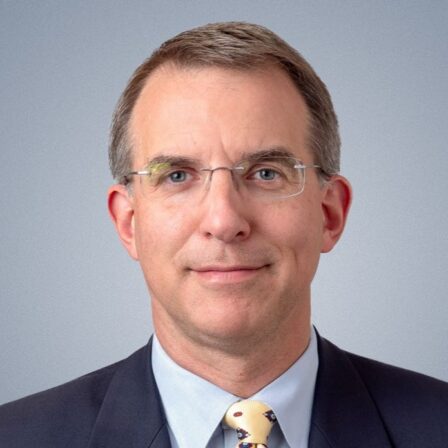
Matthew White
Chief Economist
ISO New England Inc.
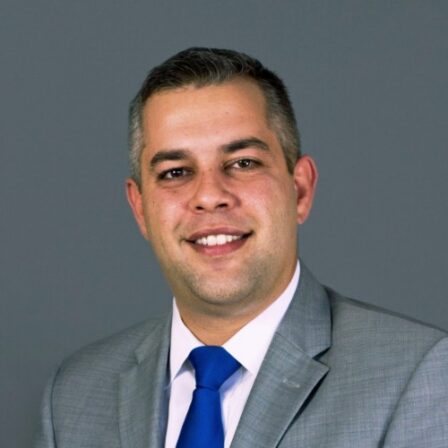
John Moura
Director, Reliability Assessment and System Analysis
North American Electric Reliability Corporation
(Moderator)
Concurrent 5B - Ethics in AI
As artificial intelligence (AI) increasingly becomes a tool for decision-making in the utility sector, regulators and industry professionals face pressing ethical questions about its use in regulatory proceedings. This panel discussion will explore the ethical implications of AI in utility regulation, focusing on how AI systems are being integrated into regulatory processes. Topics will include issues of fairness, transparency, bias, accountability, and the protection of consumer rights. Panelists will provide practical insights into navigating these challenges within the context of utility regulation, highlighting the role of ethics in ensuring that AI-driven decisions align with public interest, regulatory frameworks, and social equity.
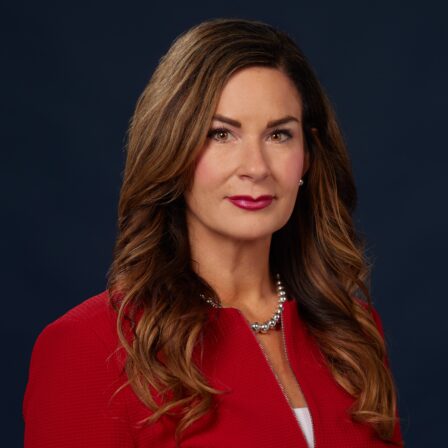
Jennifer Berrier
Executive Director
Pennsylvania Public Utilities Commission
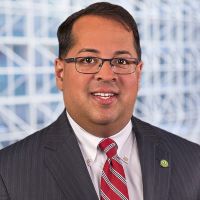
Neil Chatterjee
Chief Governmental Affairs Officer
Palmetto Solar LLC
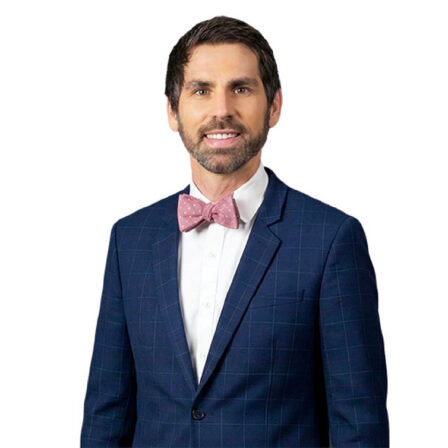
Andrew G. Fay
Of Counsel
Greenberg Traurig LLP
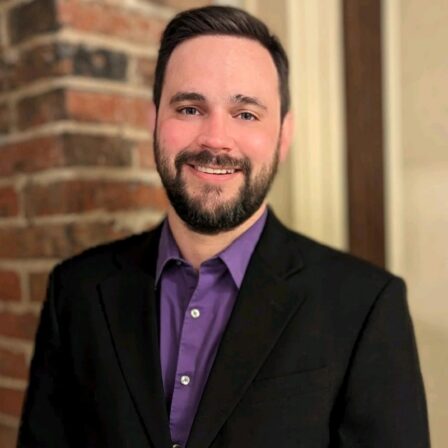
Jason Stevenson
Senior Acccount Executive
HData
(Moderator)
3:35 PM - 5:00 PM: General Session 3 - Transmission Planning in Transition: Implementing Order No. 1920 in a Shifting Landscape
No sooner was Order No. 1920 issued when the landscape began shifting again. Congressional proposals related to planning, permitting, and paying continue to evolve, FERC took subsequent action that could impact how merchant transmission would be integrated into transmission planning, and large loads increasingly place greater needs on reliable load forecasting. This panel will examine emerging compliance and litigation issues in the wake of FERC’s Order No. 1920, beginning with a brief status update on where the rule stands in ongoing litigation and the current landscape of initial and forthcoming compliance filings across regions.
Panelists will then turn to substantive questions that have surfaced since the rule’s issuance, including whether existing planning frameworks can realistically forecast future load growth and generation development at the scale now required, and what methodological adjustments may be needed. The panel will also explore how merchant transmission projects should be treated in regional planning. Finally, the discussion will address growing tension between the rule’s emphasis on scenario-based planning and recently introduced legislation that would curtail certain drivers of shared regional transmission portfolios.
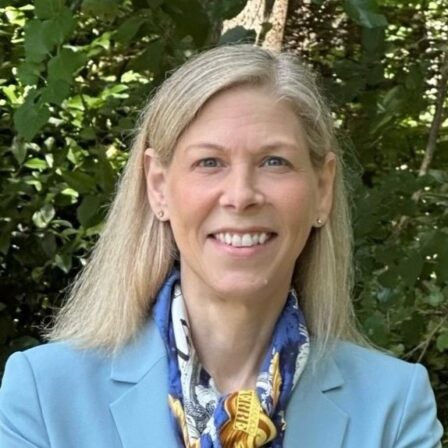
Kimberly Duffley
Senior Directof of Energy Policy and Legal Counsel
National Association of Regulatory Utility Commissioners
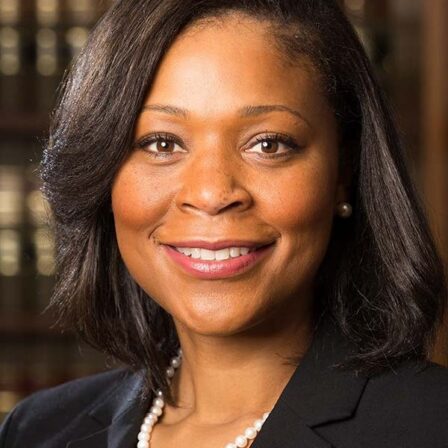
Kimberly O'Guinn
Senior Director State Regulatory Policy
Southwest Power Pool

Jeb Stenhouse
Director, Regulatory Affairs
Invenergy
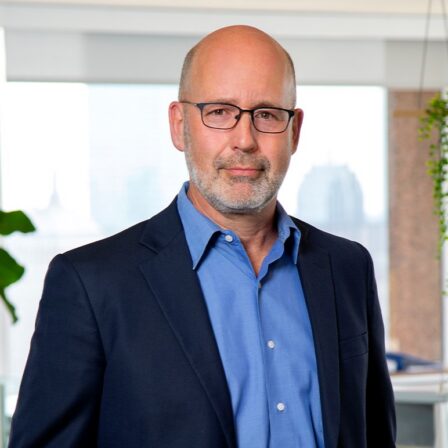
Johannes P. Pfeifenberger
Principal
The Brattle Group
(Moderator)
CLE:
This program is eligible for 8.6 hours of CLE credit in 60-minute states, and 10.4 hours of CLE credit, in 50-minute states. Credit hours are estimated and are subject to each state’s approval and credit rounding rules.
To Receive CLE Credit:
Please note, you must sign in at the CLE table each day to receive CLE credit. If you have met the participation requirements, you will then receive a personalized CLE affidavit via email from mcle-eba@americanbar.org for the program at which you attended at least one session to completion. Please check your spam or junk folders as these emails often end up there. Please note you will fill out one affidavit for the full event. Once you complete the affidavit, you will be able to download your certificate(s) of attendance and they will be emailed to you as well from mcle-eba@americanbar.org.
Scholarships:
EBA offers eligible student, government, and academic members discounts on the rates for most EBA programs which carry CLE credits, including EBA's Annual and Mid-Year Meetings. EBA will, on a case-by-case basis, consider requests from members to attend EBA programs at a discounted rate. Discount requests must be made to EBA's office at least fifteen days prior to the close of regular registration for the program in question. Requests will be considered by EBA if timely and complete. Discount requests must demonstrate a substantial financial hardship. Please submit your requests to jhannan@eba-net.org.