
2026 EBA Energy Forum
Energy Bar Association's Energy Forum is one of the premiere energy law and public policy conferences. Join hundreds of energy industry attorneys, regulators, in-house energy attorneys, consultants and others. The Forum offers thought-provoking CLE programming and multiple networking opportunities. See the full conference agenda below. Note: Speakers and sessions will be continuously updated and edited leading up to the conference.
The Energy Frontier: Navigating the Future of Energy Through Innovation and Law
Thursday, October 8
8:00 - 8:45 AM: Continental Breakfast
9:00 - 9:30 AM: Keynote Remarks
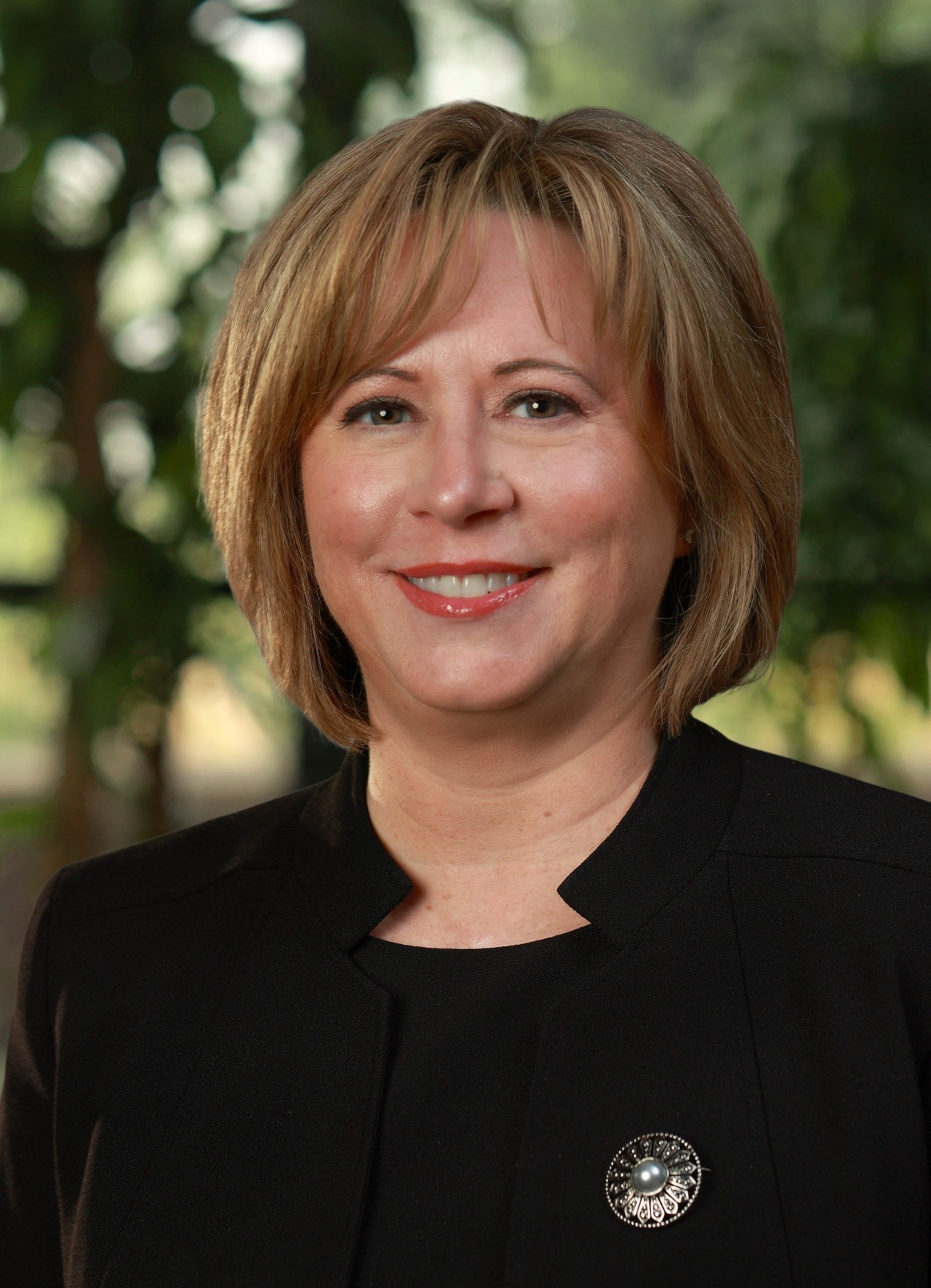
Krista Tanner
President and CEO
ITC Holdings Corp.
Krista Tanner is President and CEO, ITC Holdings Corp. In this role, she is responsible for the strategic vision and overall business operations of ITC and its subsidiaries. She also serves on ITC’s Board of Directors. Prior to this role, Ms. Tanner served as ITC’s President and as Chief Business Officer. She joined ITC in 2014 as the President of ITC Midwest.
9:30 - 10:55 AM: General Session 1: Large Load Flexibility: Regulation and Innovation
Load growth projections, driven in large part by data centers, continue to increase. In response, federal and state policymakers are enabling - or requiring - loads to operate flexibly. FERC has directed RTOs to develop new non-firm transmission services, while state lawmakers and regulators are considering approaches such as mandatory curtailment of large loads, or expedited interconnection in exchange for flexibility commitments. This panel will bring together a range of perspectives on these policies to identify the types of flexibility that are achievable, what policies that incentivize them would look like, and pathways to ensuring that flexibility is properly valued.
Lorig Charkoudian, Ph. D
Maryland State Delegate
Maryland General Assembly
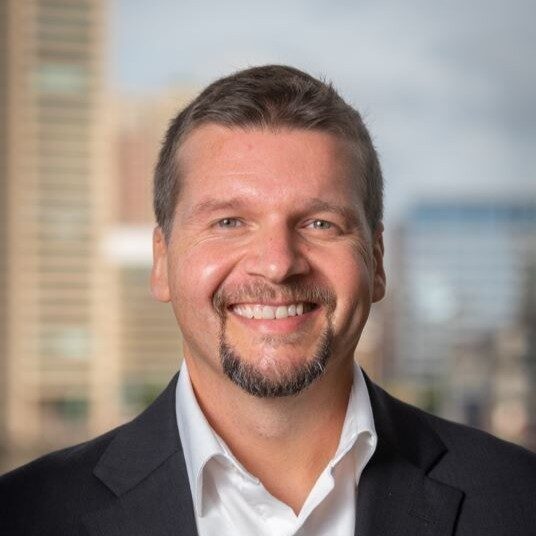
Justin E. Felt
Director, Policy Analysis & Development
Exelon Corp.

Dr. Davis George Moye, P.E.
Senior Consultant
Rimkus Consulting Group Inc.

Gabriel Tabak
Head of Energy Policy
Verrus LLC

Mary Yang
Chief Operating Officer
804 Advisory
Founder & Owner
Juni PLLC
(Moderator)
11:15 AM - 12:25 PM: Concurrent Sessions
Concurrent 1A: The Cost of the Grid: Who Pays, Who Decides, and Is It Time For a Change?
As large-scale transmission moves forward and new large customers join the grid, there is increasing pressure to examine new methods to ensure that all pay their fair share. This panel will examine emerging options to transmission pricing and what it takes to make them work, including exploring whether the carve-out for bundled transmission rates to be set by state commissions is an obstacle for more cost-effective multi-state, regional, and interregional transmission. Panelists will explore whether today's legal and regulatory framework should be updated to better align transmission planning, cost allocation, and cost recovery. Attendees will gain practical insights into the legal, regulatory, and policy issues shaping the next generation of transmission investment.
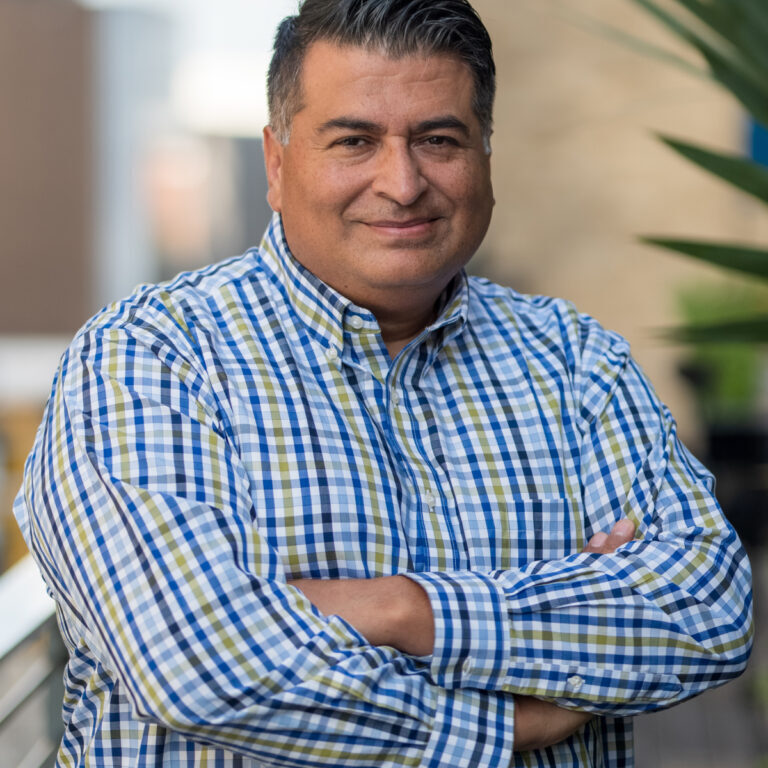
Ruben Arredondo
Regulatory Counsel
Grid United

Sophie Meyer
Director of Power Systems
Grid Strategies LLC

John Miller
Director, Transmission Policy
Corporate Energy Buyers Association
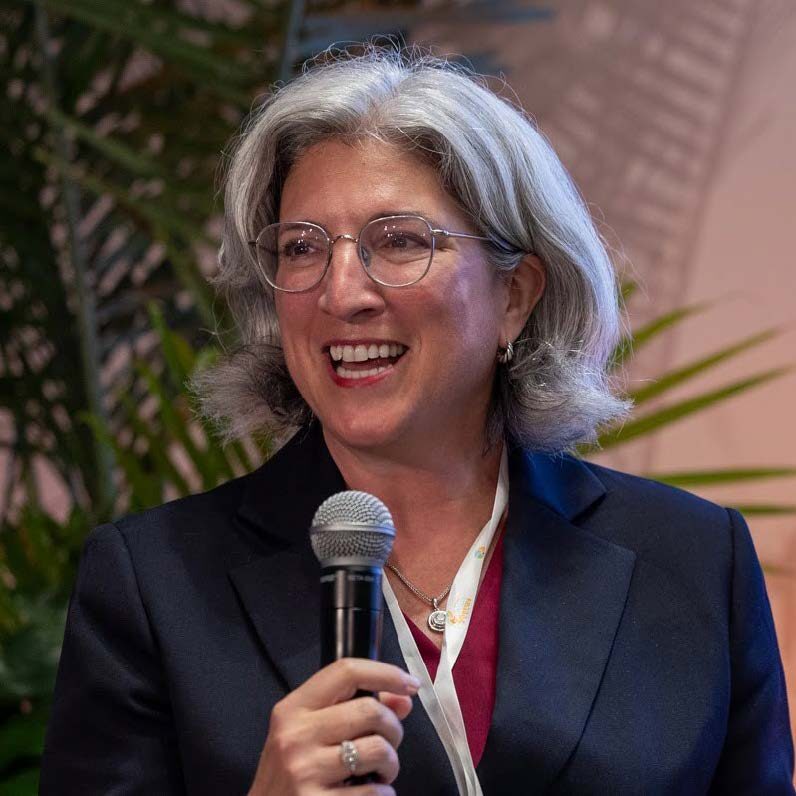
Christina M. Hayes
Head of Government Affairs
GridCARE, Inc.
(Moderator)
Concurrent 1B: Miracle on First St. NE, RTO Governance that Delights Everyone
Dear Chair Swett, All I want for FERC-mas is an RTO governance structure that works for everyone. We’ve gathered voices from across the stakeholder process—states, transmission owners, developers, and even the RTOs themselves—to figure out if there is a miracle governance solution out there that respects the delineation of rights and authorities under the Federal Power Act, provides investor stability, ensures just and reasonable rates across markets and maintains grid reliability.

Joshua Macey
Professor of Law
Yale Law School
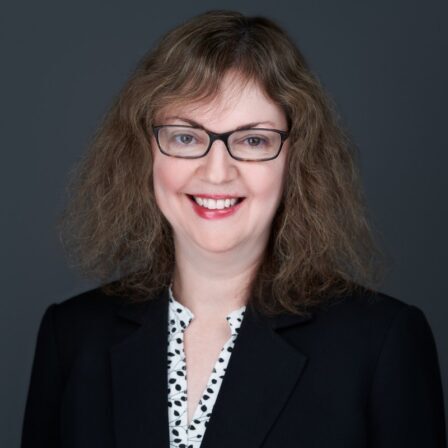
Jodi Moskowitz
Vice President, Deputy General Counsel and RTO Strategy Officer
PSEG Services Corp.

Kristina M. Tridico
Executive Director and Deputy General Counsel
Midcontinent Independent System Operator, Inc.
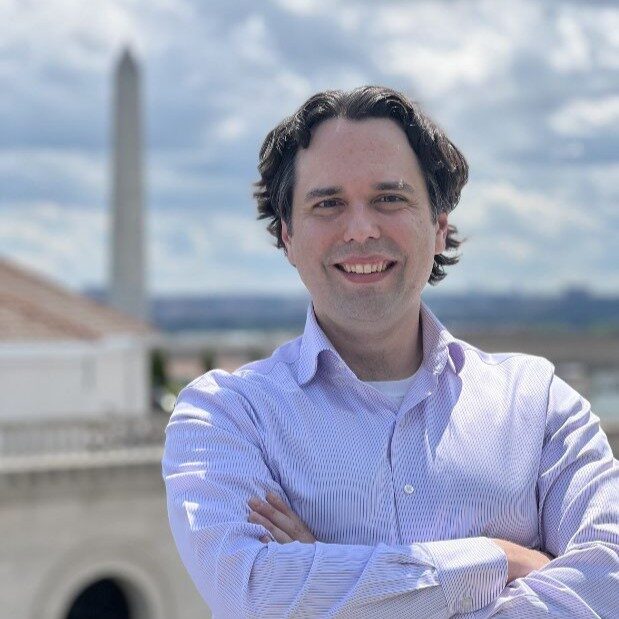
Evan Vaughan
Executive Director
MAREC Action

Melissa Alfano
Senior Director of Energy Markets and Counsel
Solar Energy Industries Association
(Moderator)
Concurrent 1C: Utility Duty to Serve and the Energy Transition
Gas distribution utilities face increasing costs—including the maintenance of aging systems—and declining residential customer sales. This trend is likely to accelerate as electrified options increasingly out-compete gas on price. Electric utilities are seeing a commensurate growing need to more proactively prepare their grids for growing demand at all levels of the system.
This session will address how the current regulatory framework, including utilities’ legal duty to serve, impacts how utilities respond to these pressures, the role of coordinated planning in this transition, and what other regulatory innovations may be needed to accommodate this transition while protecting ratepayers.
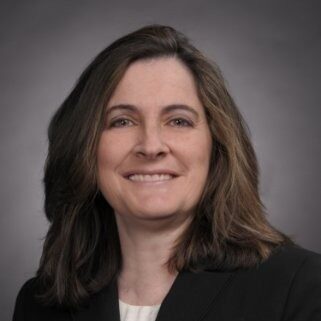
Tana K. Simard-Pacheco
Lead Assistant General Counsel
Xcel Energy Services Inc.

Cole Jermyn
Senior Attorney – Clean Affordable Power
Environmental Defense Fund
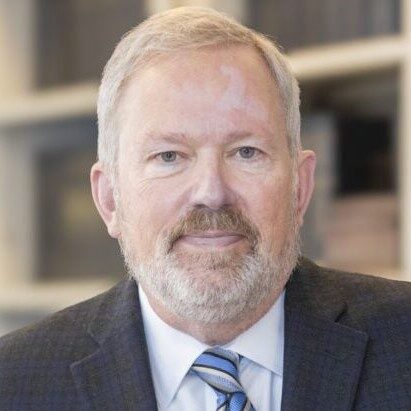
James M. Van Nostrand
Policy Director
The Future of Heat Initiative

Hon. Radina Valova
Commissioner
New York Public Service Commission
(Moderator)
12:30 - 2:00 PM: Lunch and Presentation of Awards
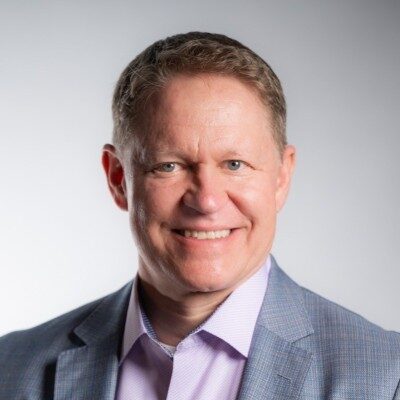
Dr. David B. Patton
President
Potomac Economics
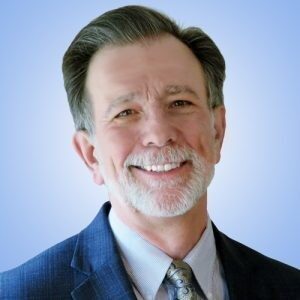
Rich Heidorn, Jr.
Editor Emeritus
RTO Insider
2:15 - 3:25 PM: Concurrent Sessions
Concurrent 2A: FERC Practice and Procedure: Perspectives from FERC Staff
This interactive panel session will feature FERC staff from various offices sharing from their own experience, including providing tips for meeting and mastering FERC procedural requirements, best practices for writing pleadings that help staff understand your issues, tips for effective pre-filing meetings, and recommendations for interfacing with administrative law judges and their chambers during settlement discussions and hearings. Note: No specifics of pending FERC proceedings will be discussed at this panel.
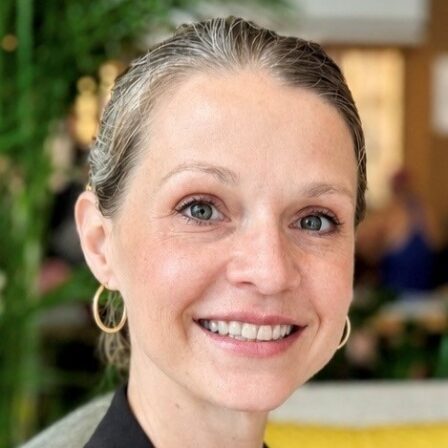
Paige Espy
Managing Attorney, Office of the General Counsel
Federal Energy Regulatory Commission (FERC)
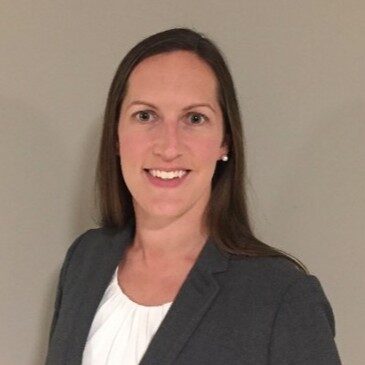
Catherine Fischl Warren
Supervisory Trial Attorney, Office of Administrative Litigation
FERC
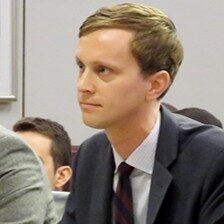
Kaleb Lockwood
Deputy Associate General Counsel, Office of the General Counsel
FERC
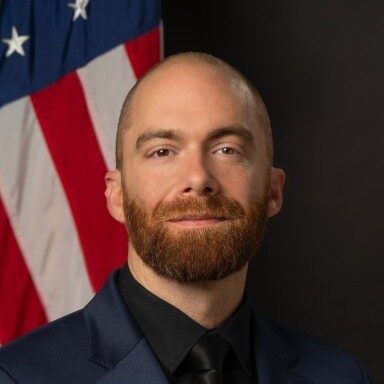
Douglas Roe
Branch Chief, Office of Energy Market Regulation-East
FERC
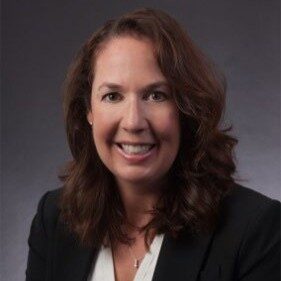
Karin L. Larson
Shareholder
Wright & Talisman P.C.
(Moderator)
Concurrent 2B: Bridging the Border: Emerging Issues in Energy Insecurity and Digital Infrastructure Development in the U.S. and Canada
This panel will compare how the U.S. and Canada are addressing energy insecurity, affordability, and reliability challenges, in the face of rising electricity demand and rapid growth in digital infrastructure and data center development. It will explore ratemaking, customer protection, cost allocation, and support programs, while examining how utilities and regulators are responding to major new loads and the need for generation, transmission, and grid modernization investments. The discussion will consider how different constitutional, regulatory, and market structures shape outcomes, including decisions about who bears the costs of system expansion and how competing objectives such as affordability, economic development, reliability, and decarbonization are balanced. Attendees will gain practical insights into emerging legal and regulatory issues in ratemaking and cost allocation, as well as cross-border lessons that can inform policy and regulatory decision-making in an increasingly digital and energy-intensive economy. This panel will blend the cross-border focused panel that the EBA Canada Chapter traditionally organizes with recent work of the EBA Energy Insecurity Steering Committee.
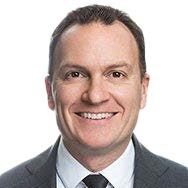
Strahan McCarten
SVP, Product & Strategy
eStruxture Data Centers
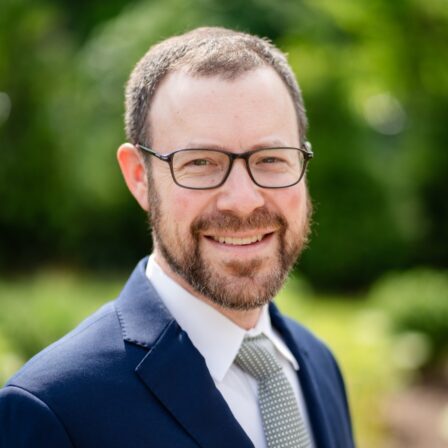
Ari Peskoe
Director, Electricity Law Initiative
Harvard Law School Environmental and Energy Law Program

Dr. Vivek Shastry
Senior Research Associate
Center on Global Energy Policy, Columbia University

Katie Slipp
Partner
Blake, Cassels & Graydon LLP
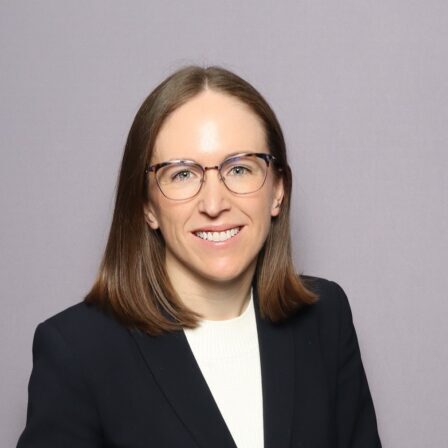
Meghan Anderson
Senior Legal Counsel
Alberta Utilities Commission
(Moderator)
Concurrent 2C: Energy and Transmission Development: Where do Tribes Fit In?
The United States is home to hundreds of federally recognized Tribes with millions of acres of land. Some Tribal lands lack basic access to electricity despite having plentiful access to potential sources of reliable, affordable, and sustainable electricity. In some areas, Tribes have begun developing transmission and generation facilities but many lack access to the broader grid, which is needed for reliability and further economic development. In Order No. 1920, FERC took a significant step by requiring transmission planners to account for Tribal laws and policy goals in their scenarios and setting up a clear path for greater Tribal involvement in the transmission planning process. This session will explore opportunities and barriers to Tribal participation in energy and transmission development, particularly in the West, including the relationship between Tribal consultation laws and federal energy regulation.
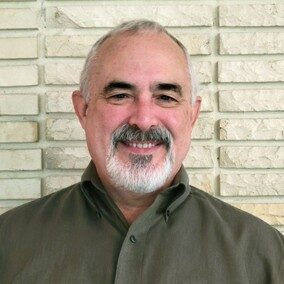
Jonathan E. Canis
General Counsel
Oceti Sakowin Power Authority
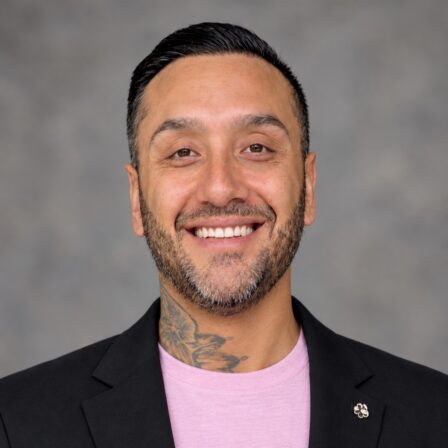
Jason Carrizosa
President
SVFM Services LLC
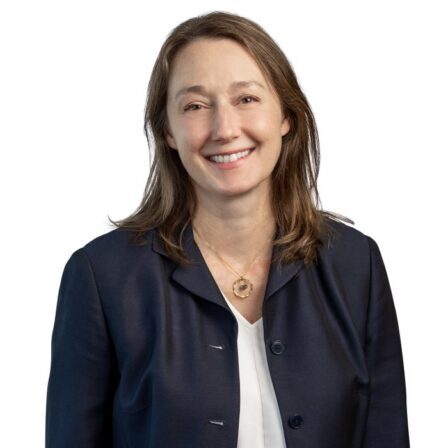
Ellen H. Grover
Partner
Best Best & Krieger LLP
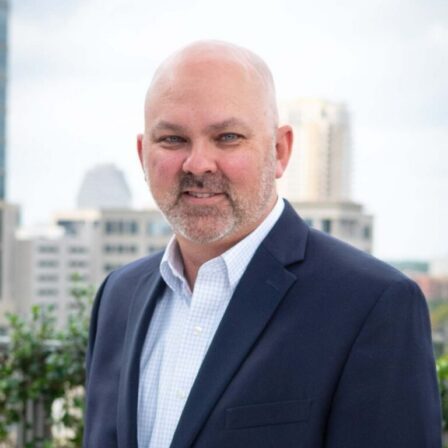
Brant Johnson
Senior Vice President, Development
Grid United
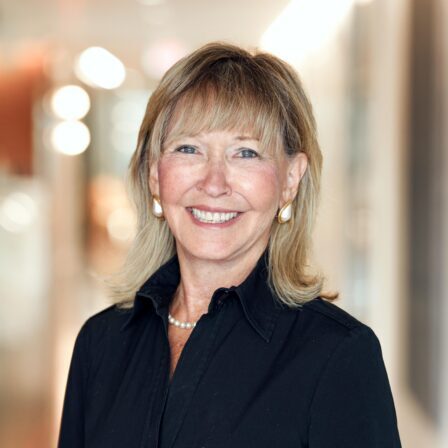
Hon. Suedeen G. Kelly
Partner
Jenner & Block LLP
(Moderator)
4:15 - 5:25 PM: Concurrent Sessions
Concurrent 3A: Perspectives on Post-Chevron Judicial Review: Has Loper Bright Changed the Game…or Not?
In June of 2024, the Supreme Court issued its ruling in Loper Bright v. Raimondo, overturning the 40-year-old Chevron deference doctrine. This panel will discuss how federal agencies have fared on judicial review of orders since Loper Bright was decided, what trends can be discerned when it comes to the relationship of the three branches of government, and what all of this may mean for some of the significant energy policy challenges the Federal Energy Regulatory Commission will be looking to address going forward.

Jared B. Fish
Senior Appellate Attorney, Solicitor's Office
Federal Energy Regulatory Commission

Michelle Kallen
Partner, Co-Chair of Appeals and Advocacy Practice
Steptoe LLP
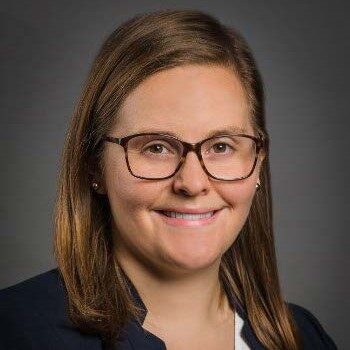
Molly K. Suda
Deputy General Counsel
Duke Energy Corp.
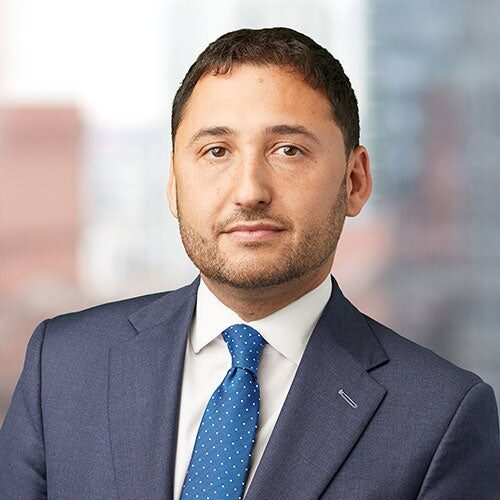
Misha Tseytlin
Partner, Head of Supreme Court and Appellate Practice
Troutman Pepper Locke LLP
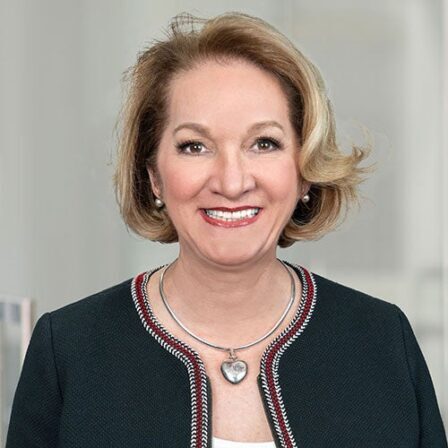
Donna M. Byrne
Partner
Troutman Pepper Locke LLP
(Moderator)
Concurrent 3B: Ethical Use of AI in Energy Practice
Artificial intelligence is rapidly becoming part of everyday legal practice—but the ethical rules governing lawyers have not changed. This program examines the ethical issues energy lawyers need to consider when using generative AI in regulatory, transactional, litigation, enforcement, and advisory work. Topics will include confidentiality and protection of client information, competence and the duty to understand AI tools, supervision and verification of AI-generated work, hallucinated authorities and factual errors, disclosure and candor obligations, billing for AI-assisted work, and the risks associated with uploading client or confidential information to third-party platforms. The program will use practical examples drawn from energy practice to identify where AI can create ethical pitfalls—and how lawyers can use these tools responsibly without sacrificing their professional obligations.
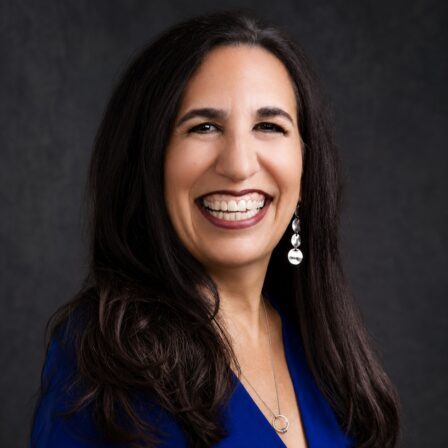
Carolyn Elefant
AI in Law Expert
Law Offices of Carolyn Elefant
Concurrent 3C: A Lifetime of Energy Law: Now What? Perspectives on Retirement
Many EBA members are approaching retirement in the near term and wrestling with not only when to retire but what to do in retirement, particularly if they want to remain active professionally or start new careers. Join us for a fireside chat in which our panelists will share their interesting retirement experiences and provide a wide range of guidance.
Issues covered will include:
• Retirement Hurdles
• How to decide it is time to retire
• Whether to taper off or go from 100 to 0
• Hobbies and friendships before and after retirement
• Second Careers, Volunteering
• Trepidation about retiring other than financial issues
• Changes after retirement
• Retirement satisfaction and how to achieve it
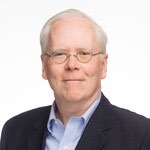
Hon. Joseph T. Kelliher
Principal
Joseph Kelliher Consulting
(Retired Executive Vice President-Federal Regulatory Affairs, NextEra Energy, and a former FERC Chairman)
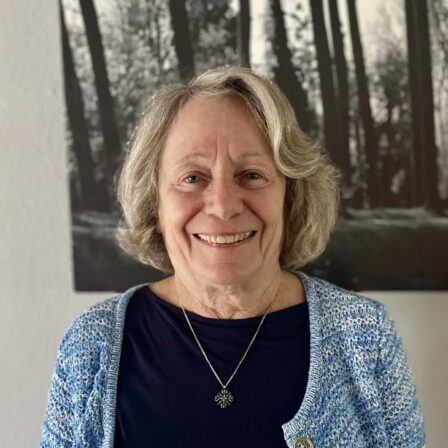
Leslie Lawner
Retired Attorney / Teacher
(FERC Office of General Counsel, Office of Solicitor, and Office of Commissioner Michael Naeve, Enron Capital & Trade Resources, and Sidney Gutierrez Middle School)
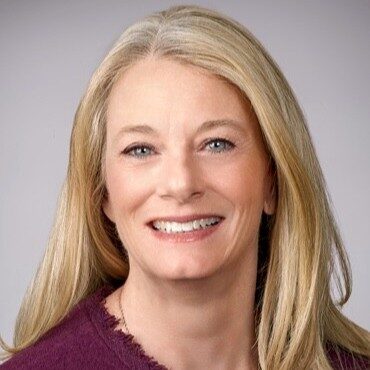
Jane Lewis-Raymond
Principal
Hilltop Strategies
(Retired Attorney - Parker Poe, Piedmont Natural Gas)
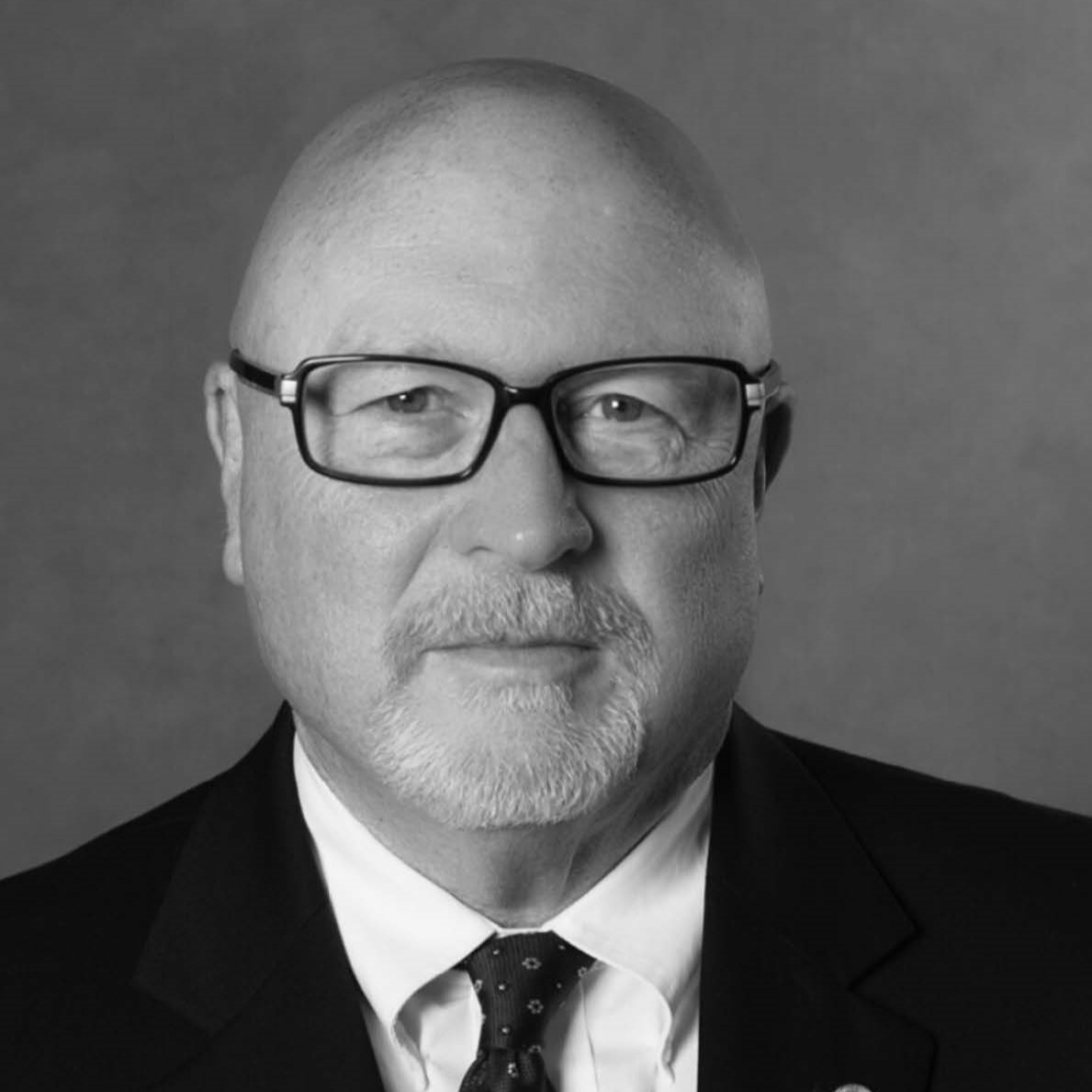
Richard Meyer
Retired Attorney
(SVP and General Counsel NRECA, USX Delhi Group/Texas Oil & Gas, Assistant GC, FERC and Former EBA President)
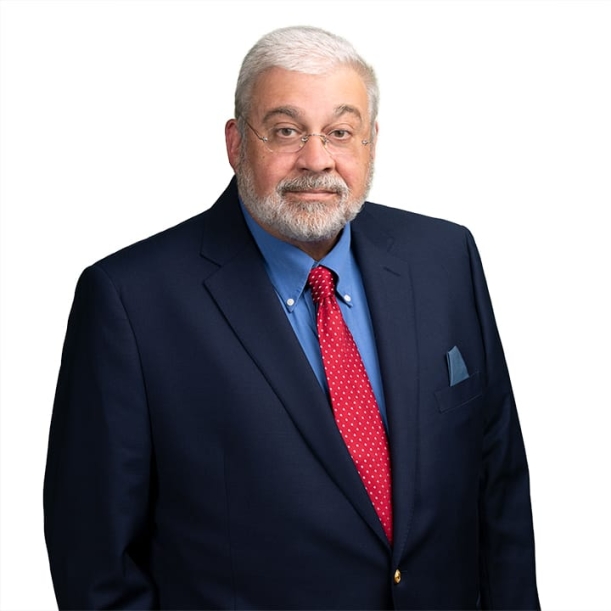
Mark R. Haskell
Partner
Blank Rome LLP
(Moderator)
Special Event: 2026 Administrative Law Judges Reception
Friday, October 9
8:00 - 8:45 AM: Continental Breakfast
9:00 - 9:30 AM: Keynote Remarks
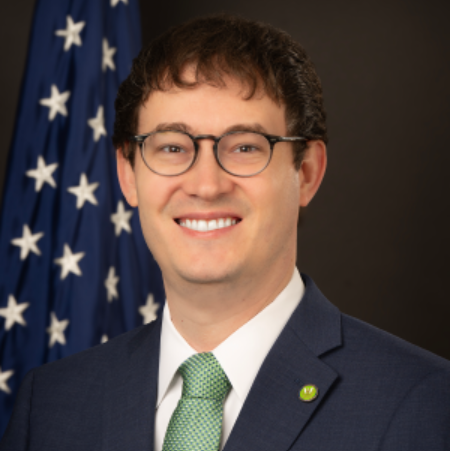
James Dawson
General Counsel
Federal Energy Regulatory Commission
James Dawson serves as General Counsel at the Federal Energy Regulatory Commission. Prior to his appointment, he practiced energy and appellate law at Vinson & Elkins LLP. He previously served as a law clerk to Judge Alex Kozinski of the U.S. Court of Appeals for the Ninth Circuit. A native of Texas, Mr. Dawson is a graduate of Yale Law School and Columbia University.
9:30 - 10:55 AM: General Session 2: Small Reactors, Big Hurdles: Licensing, Construction, and Commercial Risk
Small modular reactors promise scalable, reliable nuclear generation, but obstacles remain between reactor design and commercial operation. Drawing on perspectives from government, industry, private practice, and academia, this panel will examine the legal and practical challenges facing SMR deployment, including NRC licensing pathways, DOE support, project siting, construction and supply-chain risk, fuel availability, financing, contracting, and customer arrangements. Panelists will also discuss to allocate risk between parties and coordinate effectively to move SMR projects from licensing and development through construction and operation.

Cameron Hughes
Associate
Orrick, Herrington & Sutcliffe LLP
Joseph D. McManus
Senior Nuclear Regulatory Counsel
Westinghouse Electric Company LLC

Simon Moskovitz
Associate
Gibson, Dunn & Crutcher LLP

Kathleen Oprea
Attorney, Assistant General Counsel’s Office for Civilian Nuclear Programs
U.S. Department of Energy

Rama T. Ponangi
Research Associate
Center on Global Energy Policy, Columbia University, School of International and Public Affairs
(Moderator)
11:15 AM - 12:25 PM: Concurrent Sessions
Concurrent 4A: AI as a Grid-Enhancing Technology – Opportunities and Risks
The discussion of artificial intelligence in the energy industry has focused primarily on powering AI through data centers, mitigating the large load effects of data centers, and allocating costs appropriately. But AI in the utility space has another side—its use in operations. Regional Transmission Organizations, Transmission Owners, and utilities are using AI for system planning (transmission and supply), wildfire prevention, and maintenance and inspections. In the future, AI will be an important tool for grid operators in managing resource commitment/dispatch and real-time operations to maximize the efficiency and reliability of the electric system. Concrete deployments already are emerging: automation of generator interconnection studies; system planning studies; and pairing of satellite, drone, and camera imagery with AI for dynamic line ratings, vegetation management, and wildfire detection.
Although these technologies hold great promise, the legal and regulatory framework surrounding their use is nascent. And there are many open questions concerning the risks and liabilities associated with the use of AI in utility operations. In certain industries, such as autonomous vehicles, AI technology is held to a higher standard than humans performing the same functions. How will AI or automatic functions be treated if they cause or contribute to an electrical incident? What standards will apply? How will courts and juries evaluate such cases?
This panel will explore the promise and risks of using artificial intelligence for utility operations, such as system planning (transmission and supply), wildfire prevention, and maintenance/inspections, and how industry members at the cutting edge are maximizing opportunity while mitigating risk.
Andrew Abranches
Vice President, Wildfire Mitigation
Pacific Gas & Electric Company
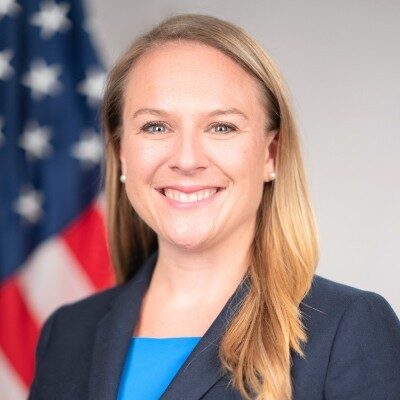
Allison Reed Morgan
Managing Director of Security and Resilience
Edison Electric Institute
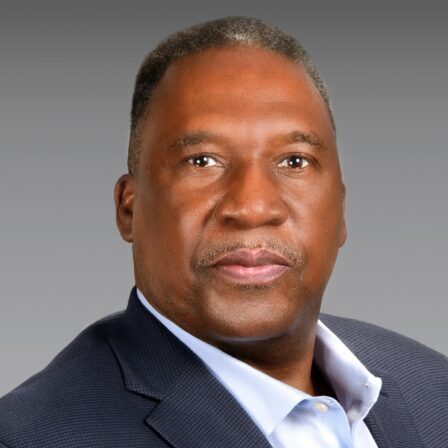
Darrell Moore
Director of Reliability Risk Management
North American Electric Reliability Corporation
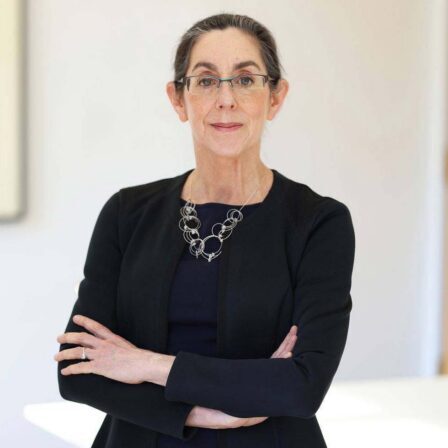
Laurie Edelstein
Partner and Co-Chair of Jenner's Energy Practice
Jenner & Block LLP
(Moderator)
Concurrent 4B: Powering the AI Boom: The Interplay Between Data Centers and Natural Gas Pipelines
The explosive growth of AI and cloud computing has made data centers the largest new source of electricity demand, and natural gas is increasingly the fuel of choice to power them—whether through the grid, behind-the-meter generation, or co-located plants. This panel brings together practitioners representing pipeline operators, power generation developers, data center developers, and lenders to examine the commercial and legal fault lines where these industries meet: firm transportation and supply agreements, capacity constraints and pipeline expansion, interconnection, siting and permitting, jurisdictional questions, and the allocation of risk between parties operating on very different timelines. The discussion will highlight deal structures, negotiation pressure points, and emerging solutions.
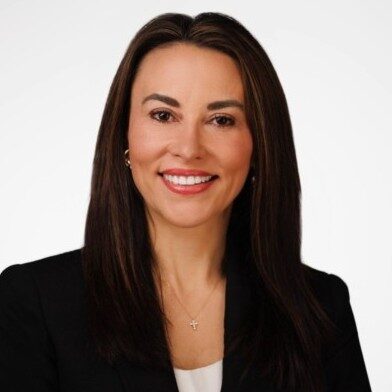
Liz Bowman
VP of Government Affairs and Outreach
Williams

Marc D. Montalvo
President & Managing Principal
Daymark Energy Advisors Inc.

Natalia Norko
Director, Strategic Growth
Washington Gas Light Company, US Utilities
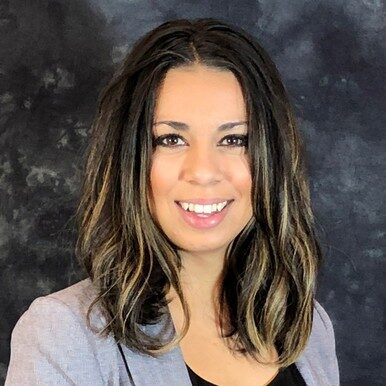
Krystal A. Tapper
Associate
White & Case LLP
(Moderator)
12:30 - 2:00 PM: Women in Energy Lunch
The 2026 EBA Energy Forum will conclude with the annual Women in Energy Lunch, sponsored by McGuireWoods LLP. This is the only lunch on Friday, and all are welcome to attend! This event is included in your registration, but RSVP is required.

Noha Sidhom
Founder and Chief Investment Officer
Viribus Fund LP
Featured Guest Speaker
Noha Sidhom is the Chief Investment Officer and founder of Viribus Fund and Executive Director of the Energy Trading Institute. She has spent her career at the intersection of energy markets, investing, law, and public policy. Prior to founding Viribus, Noha served as CEO of TPC Energy Fund and previously practiced energy law at a private firm and served as an Attorney Advisor at the Federal Energy Regulatory Commission.
CLE:
This program is eligible for approximately 7.5 CLE hours in 60-minute states and 9 hours in 50-minute states. Credit hours are estimated and are subject to each state’s approval and credit rounding rules. EBA is applying in Arizona, Alabama, Arkansas, California, Colorado, Florida, Georgia, Illinois, Indiana, Kansas, Minnesota, Nebraska, New Jersey, New York, Ohio, Pennsylvania, South Carolina, Tennessee, Texas, Virginia, and Wisconsin. Please contact Odwelley@eba-net.org if you do not see your state listed.
To Receive CLE Credit:
Please note, you must sign in at the CLE table each day to receive CLE credit. If you have met the participation requirements, you will then receive a personalized CLE affidavit via email from mcle-eba@americanbar.org for the program at which you attended at least one session to completion. Please check your spam or junk folders as these emails often end up there. Please note you will fill out one affidavit for the full event. Once you complete the affidavit, you will be able to download your certificate(s) of attendance and they will be emailed to you as well from mcle-eba@americanbar.org.
Scholarships:
EBA offers eligible student, government, and academic members discounts on the rates for most EBA programs which carry CLE credits, including EBA's Annual and Mid-Year Meetings. EBA will, on a case-by-case basis, consider requests from members to attend EBA programs at a discounted rate. Discount requests must be made to EBA's office at least fifteen days prior to the close of regular registration for the program in question. Requests will be considered by EBA if timely and complete. Discount requests must demonstrate a substantial financial hardship. Please submit your requests to jhannan@eba-net.org.